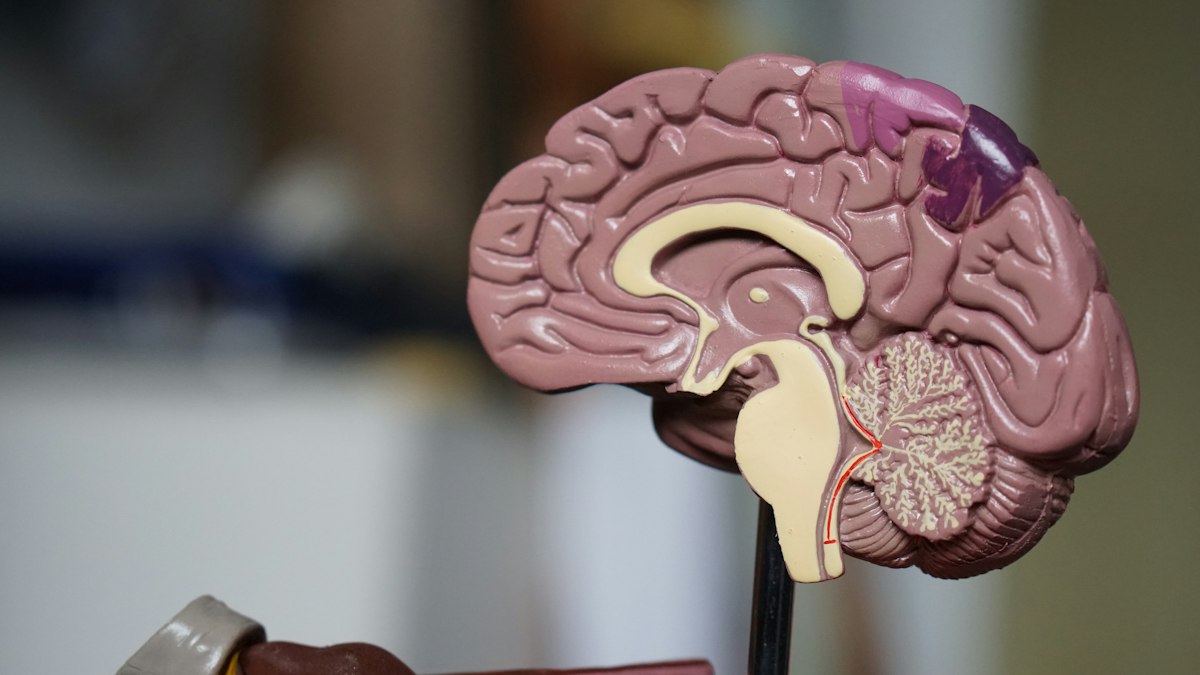
When a slot machine lines up two cherries and a near-miss on the third reel, something remarkable happens inside your brain. The nucleus accumbens — the brain's primary reward center — fires a burst of dopamine almost identical to what it releases on a full win. Your rational mind knows you lost. Your brain chemistry says otherwise.
This is not a metaphor. It is a measurable neurological event, and it is one of the core reasons why gambling disorder is classified by the American Psychiatric Association as a behavioral addiction on par with substance use disorders. Understanding the biology doesn't excuse the behavior, but it does explain why willpower alone is rarely enough to stop.
The Dopamine System: Your Brain's Reward Calculator
Dopamine is often called the "pleasure chemical," but that's an oversimplification. More accurately, dopamine is the brain's prediction and anticipation signal. It spikes not just when you receive a reward, but when you expect one — and it spikes hardest when the reward is unpredictable.
This is called variable ratio reinforcement, and it is the most powerful reward schedule known to behavioral psychology. Slot machines, sports betting, and casino games are engineered around this principle. The unpredictability of the outcome — not the win itself — is what drives the dopamine response.
"Problem gambling activates the same neural pathways as drug addiction. The brain scans of a compulsive gambler and a cocaine addict look remarkably similar." — Dr. Marc Potenza, Yale School of Medicine
How Gambling Rewires the Brain Over Time
In healthy brains, the prefrontal cortex — the seat of rational decision-making, impulse control, and long-term planning — acts as a brake on the reward system. It evaluates risk, considers consequences, and says "no" when the reward isn't worth it.
Chronic gambling disrupts this balance in three measurable ways:
| Brain Change | What It Means | Effect on Behavior |
|---|
| Reduced prefrontal activity | Weakened impulse control | Harder to stop gambling even when you want to |
| Dopamine receptor downregulation | Reduced sensitivity to rewards | Need to gamble more to feel the same rush |
| Hyperactive amygdala | Heightened stress response | Gambling becomes a way to self-medicate anxiety |
The Near-Miss Effect: A Cruel Trick
One of the most insidious features of modern gambling machines is the engineered near-miss. When a slot machine shows two jackpot symbols and stops just short of the third, the brain processes this almost identically to a win. Studies using fMRI imaging have confirmed that near-misses activate the reward circuit and increase the urge to continue playing — even though, mathematically, a near-miss is no different from any other loss.
Game designers know this. The near-miss is not accidental. It is a feature.
Chasing Losses: The Biology of a Trap
When a gambler loses a significant amount, the brain enters a stress state driven by cortisol and norepinephrine. The most immediate way the brain knows to relieve this stress? Return to the activity that previously produced dopamine. This is the biological basis of "chasing losses" — the compulsion to keep gambling to win back what was lost.
It is not irrational from the brain's perspective. It is, in fact, exactly what the brain is designed to do when a reward source is threatened. The tragedy is that the behavior that causes the stress is the same behavior the brain prescribes to relieve it.
What This Means for Recovery
Understanding the neuroscience of gambling addiction has direct implications for treatment. It explains why:
- Cognitive Behavioral Therapy (CBT) works — it directly targets the distorted thinking patterns that feed the reward loop.
- Medications like naltrexone (which blocks opioid receptors involved in reward) show promise in reducing gambling urges.
- Abstinence is often necessary in early recovery — even small gambling triggers can reignite the dopamine response in a sensitized brain.
- Exercise, social connection, and purpose are not just "nice to have" — they are neurological substitutes that activate the same reward pathways through healthy means.
Recovery from gambling disorder is not about moral strength. It is about neurological rehabilitation — gradually restoring the brain's natural reward sensitivity and rebuilding the prefrontal control that addiction erodes. That process takes time, support, and often professional help. But it is real, and it works.
If you or someone you know is struggling with gambling, the National Problem Gambling Helpline is available 24/7 at 1-800-522-4700.