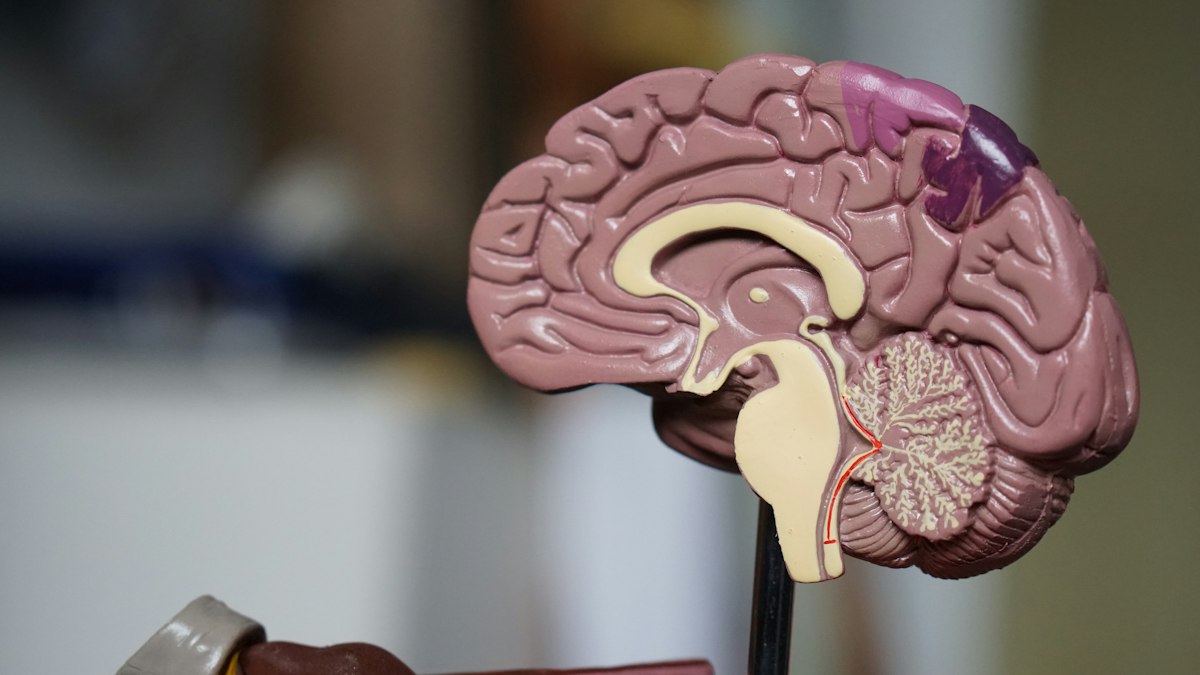
Life can feel like a high-stakes game, even without a casino in sight. We navigate daily pressures, unexpected challenges, and the constant hum of responsibilities. For individuals in recovery from gambling addiction, these everyday stressors aren't just an inconvenience; they can be a dangerous trigger, threatening to undo hard-won progress. It's a connection that goes deeper than simple willpower – it’s rooted in our biology, specifically in the intricate dance of hormones like cortisol.
If you're reading this, chances are you or someone you care about has grappled with the powerful pull of gambling, perhaps experiencing the devastating cycle of addiction and recovery. You know that recovery is a journey, not a destination, and understanding the science behind relapse triggers can be a powerful tool for maintaining sobriety. Today, we're going to explore the often-overlooked link between stress and gambling relapse, shining a light on the "cortisol connection" and offering strategies for a more resilient recovery.
The Unseen Enemy: How Stress Undermines Recovery
Stress is a universal human experience. It's our body's way of responding to demands, whether they're physical threats or psychological pressures. In small doses, stress can be motivating, helping us focus and perform. However, chronic or overwhelming stress can be detrimental, impacting our physical health, mental well-being, and decision-making abilities.
For those recovering from gambling addiction, stress acts as a particularly insidious foe. Research consistently shows a strong correlation between stress and addictive behaviors. When we're stressed, our brain seeks relief, and for someone with a history of gambling, the thrill, the escape, or the perceived potential for a "big win" can feel like a readily available, albeit destructive, coping mechanism.
"Stress doesn't just make us feel bad; it changes our brain chemistry, making us more susceptible to old, destructive habits. Understanding this isn't an excuse; it's a vital step towards building stronger defenses."
The Role of Cortisol: Your Body's Stress Messenger
At the heart of our body's stress response is a hormone called cortisol. Often dubbed the "stress hormone," cortisol is released by the adrenal glands as part of the fight-or-flight response. When you encounter a stressful situation, your hypothalamus, a small region at the base of your brain, kicks off an alarm system in your body. This system, known as the hypothalamic-pituitary-adrenal (HPA) axis, eventually leads to the release of cortisol.
In the short term, cortisol is beneficial. It increases blood sugar, suppresses non-essential bodily functions, and helps you respond to a threat. However, when stress is chronic, cortisol levels remain elevated. This prolonged exposure can have a cascade of negative effects, including:
- Impaired cognitive function, affecting memory and decision-making
- Increased anxiety and irritability
- Sleep disturbances
- Weakened immune system
- Increased cravings for highly palatable foods (and, crucially, addictive behaviors)
The Cortisol-Gambling Loop: A Vicious Cycle
So, how does cortisol specifically contribute to gambling relapse? The connection is multifaceted:
- Impaired Decision-Making: High cortisol levels can hijack the prefrontal cortex, the part of your brain responsible for executive functions like impulse control, risk assessment, and long-term planning. When this area is compromised, the immediate gratification offered by gambling can seem more appealing, and the long-term consequences less significant.
- Heightened Urges and Cravings: Chronic stress and elevated cortisol can amplify the brain's reward pathways, making addictive behaviors feel even more compelling. The brain, seeking relief from distress, remembers the temporary dopamine surge associated with gambling and pushes for a repeat performance.
- Emotional Dysregulation: Stress often leads to intense, uncomfortable emotions – anger, frustration, despair. Gambling can be used as a maladaptive coping mechanism to numb these feelings or to escape from reality, even if only for a short time.
- Sleep Deprivation: Cortisol disrupts healthy sleep patterns. Lack of sleep further impairs judgment, increases irritability, and makes it harder to resist impulses, creating a perfect storm for relapse.
Consider a scenario: someone in recovery faces a significant financial setback (stressor). Their cortisol levels spike. They feel overwhelmed, anxious, and their ability to think clearly is compromised. The thought of a quick fix, a "lucky break" at the casino or online, becomes overwhelmingly tempting, especially when their brain is already primed for seeking immediate rewards to alleviate distress.
A study published in the journal Addiction highlighted that individuals with gambling disorder often exhibit a dysregulated stress response, meaning their bodies react more intensely or for longer periods to stressors, contributing to a higher risk of relapse. This isn't a sign of weakness; it's a physiological reality that needs to be addressed with robust coping strategies.
Building Resilience: Strategies for Managing Stress in Recovery
Understanding the "cortisol connection" isn't about feeling helpless; it's about empowering yourself with knowledge. By recognizing how stress impacts your body and mind, you can develop proactive strategies to manage it and protect your recovery.
1. Identify Your Stressors
The first step is awareness. What situations, people, or thoughts consistently trigger your stress response? Keep a stress journal for a week or two, noting down:
- The stressor itself
- Your physical and emotional reactions
- Any urges or cravings that arose
- How you coped (or didn't cope)
This inventory can reveal patterns and help you anticipate high-risk situations.
2. Develop Healthy Coping Mechanisms
Replacing gambling with constructive coping strategies is paramount. This isn't always easy, and it takes practice, but it's essential for long-term recovery. Here are some evidence-based approaches:
- Mindfulness and Meditation: Practices like deep breathing, yoga, and meditation can lower cortisol levels and improve emotional regulation. Even five minutes a day can make a difference.
- Regular Physical Activity: Exercise is a powerful stress reducer. It releases endorphins, improves mood, and helps burn off excess cortisol. Aim for activities you enjoy, whether it's walking, swimming, or dancing.
- Adequate Sleep: Prioritize 7-9 hours of quality sleep per night. Create a relaxing bedtime routine and avoid screens before bed.
- Healthy Nutrition: A balanced diet supports overall brain health and can stabilize mood. Limit caffeine and sugar, which can exacerbate anxiety.
- Social Support: Connect with trusted friends, family, or support groups. Sharing your feelings and challenges can reduce isolation and provide invaluable perspective.
- Hobbies and Interests: Engage in activities that bring you joy and a sense of accomplishment, providing a healthy alternative to the thrill of gambling.
3. Build a Strong Support Network
You don't have to face this alone. A robust support system is a cornerstone of lasting recovery. This includes:
- Therapy: Cognitive Behavioral Therapy (CBT) and other therapeutic approaches can help you identify and challenge negative thought patterns and develop healthier coping skills.
- Support Groups: Groups like Gamblers Anonymous (GA) provide a safe space to share experiences, gain insights, and receive encouragement from peers who understand.
- Trusted Friends and Family: Educate your loved ones about your triggers and ask for their support in maintaining a stress-reducing environment.
4. Practice Relapse Prevention Planning
A relapse prevention plan is your personal roadmap for navigating high-risk situations. It should include:
- Your identified triggers (including specific stressors)
- Your healthy coping strategies
- Contact information for your support network (therapist, sponsor, trusted friend)
- Emergency steps to take if you feel an urge to gamble (e.g., calling your sponsor, going to a meeting, using a self-exclusion program)
The Impact of Stress on Relapse Rates: A Statistical Glance
The link between stress and relapse isn't just anecdotal; it's backed by significant research. Here's a brief look at how stress factors into addiction recovery:
| Factor |
Impact on Relapse Risk |
Relevant Research/Mechanism |
| Chronic Stress |
Significantly increases |
Elevates cortisol, impairs prefrontal cortex function, increases cravings. Studies show higher relapse rates in individuals reporting high stress. |
| Acute Stress Events |
Immediate spike in risk |
Can trigger impulsive decision-making and a strong desire to escape discomfort through addictive behaviors. |
| Poor Coping Skills |
Doubles or triples risk |
Without healthy alternatives, individuals are more likely to revert to old, destructive coping mechanisms like gambling. |
| Social Isolation |
Increases vulnerability |
Lack of support exacerbates stress and reduces opportunities for healthy emotional processing. |
| Sleep Deprivation |
Increases impulsivity and cravings |
Disrupts brain function critical for self-control and mood regulation, often a consequence of high cortisol. |
It's clear that addressing stress isn't just a "nice-to-have" in recovery; it's a fundamental component of building lasting sobriety. If you find yourself overwhelmed by stress and fear it might lead you back to gambling, please don't hesitate to reach out for immediate support. The National Problem Gambling Helpline is available 24/7 at 1-800-522-4700. They can provide confidential assistance and connect you with resources in your area.
Living a Redeemed Life: Hope and Honesty
The journey of recovery from gambling addiction is a testament to incredible strength and resilience. It's a path that demands honesty – honesty with yourself about your triggers, your struggles, and your need for support. It also offers immense hope. By understanding the science behind your urges, you gain a powerful advantage in the fight for your freedom.
You are not simply battling a bad habit; you are navigating complex biological and psychological landscapes. But you have the capacity to learn, to adapt, and to build new, healthier pathways in your brain. Each time you choose a healthy coping mechanism over gambling, you strengthen your recovery muscles and reduce the power that stress and cortisol have over your decisions.
Remember, setbacks are not failures; they are opportunities to learn and refine your strategies. The goal isn't to eliminate stress entirely – that's an impossible task – but to develop effective ways to manage it, so it doesn't lead you back to the grip of addiction. Your redeemed life is within reach, and understanding the cortisol connection is another vital step on that courageous journey.
Actionable Takeaway: Your Stress Resilience Plan
Take a few moments this week to begin building your personal stress resilience plan. Even small steps can make a big difference:
- Identify one primary stressor: What's one thing that consistently makes you feel overwhelmed?
- Choose one healthy coping strategy: Pick one new activity or practice you'd like to try this week (e.g., 10 minutes of walking, a 5-minute meditation, calling a supportive friend).
- Schedule it: Put this coping strategy in your calendar, just like any other important appointment.
- Reach out if needed: If stress feels overwhelming or you experience gambling urges, remember the National Problem Gambling Helpline at 1-800-522-4700. Support is always available.