The gambling industry is one of the most data-sophisticated industries in the world. Casinos and online platforms collect extraordinary amounts of data about player behavior — every bet, every pause, every win and loss — and use that data to maximize the time and money each player spends. Understanding these tactics is not just intellectually interesting. For someone in recovery, it can be a powerful tool for seeing through the illusions that gambling creates.
Player Tracking and Data Collection
Modern casinos track every aspect of player behavior through loyalty cards and digital accounts. This data includes:
- Which games you play and for how long
- Your average bet size and session length
- When you tend to stop playing (and what triggers stopping)
- Your response to different promotions and incentives
- Your "theoretical loss" — the amount the casino expects to win from you based on your play patterns
This data is used to create personalized marketing — offers, bonuses, and incentives specifically calibrated to your behavior patterns and designed to bring you back when you've been away.
VIP and Loyalty Programs: The Trap of Status
Casino loyalty programs are masterclasses in behavioral psychology. They use status, exclusivity, and incremental rewards to create powerful psychological attachment to the gambling venue.
The tiered structure — Bronze, Silver, Gold, Platinum — exploits the human desire for status and the loss aversion that makes people reluctant to "lose" their tier. Players who are close to the next tier threshold are more likely to gamble more to achieve it. Players who have achieved a high tier are reluctant to reduce their gambling because they don't want to lose their status.
VIP programs take this further, offering dedicated hosts, personalized service, and exclusive events. For problem gamblers, the VIP relationship can become a primary social connection — the host who "cares" about them, the venue that "knows" them. This social dimension makes VIP programs particularly dangerous for vulnerable players.
The "Free Play" Illusion
Free play offers — "Here's $50 in free slot credits" — are among the most effective marketing tools in the casino industry. Research finds that free play offers significantly increase visit frequency and total gambling spend among recipients.
The psychology is straightforward: free play feels like found money, reducing the psychological pain of losses. Players who receive free play are more likely to continue gambling after the free credits are exhausted, and more likely to gamble more than they planned.
Atmospheric Design
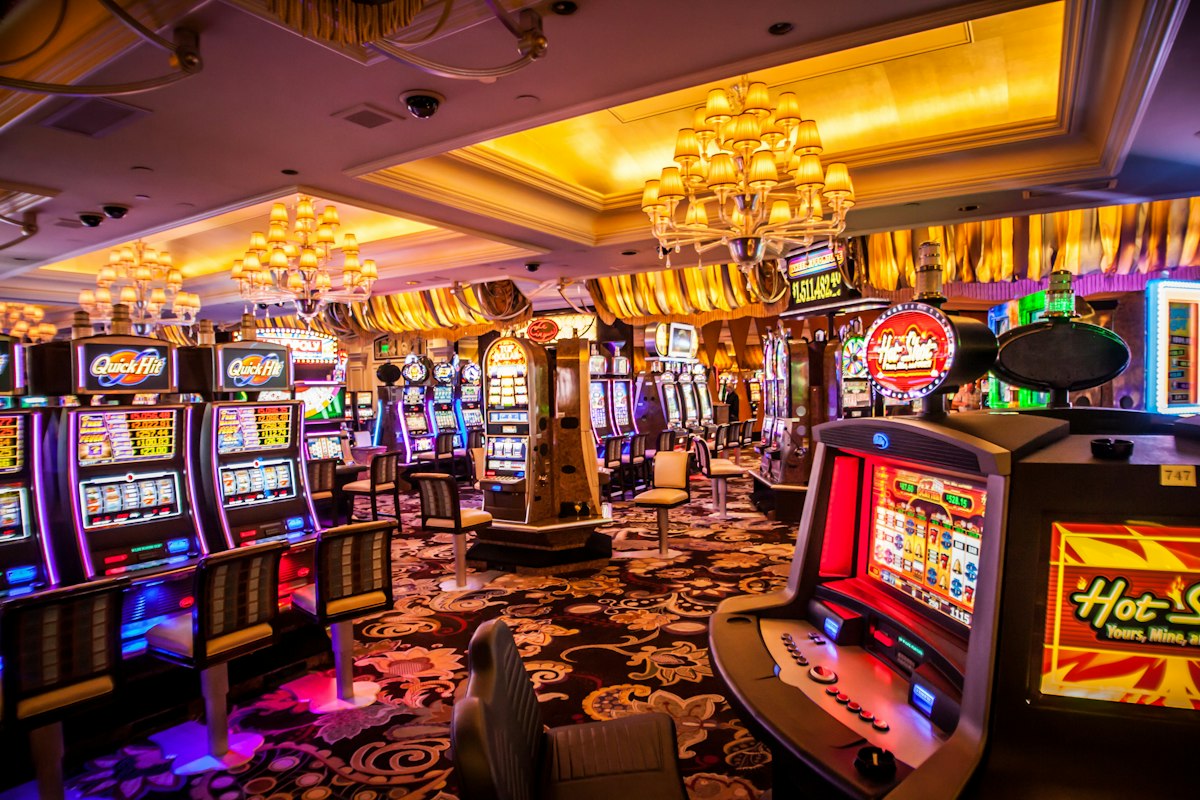
Casino design is a science. Elements include:
- No clocks or windows: Removes time cues that might prompt players to leave
- Maze-like layouts: Makes it difficult to find exits; maximizes exposure to gaming areas
- Oxygen levels: Some casinos have been accused of pumping extra oxygen to keep players alert (though this is disputed)
- Sound design: The ambient sound of wins is carefully calibrated to be audible throughout the floor
- ATM placement: ATMs are placed deep inside casinos, requiring players to pass through gaming areas to access cash
Online Gambling: Even More Sophisticated
Online gambling platforms have taken these tactics further, using machine learning to personalize the experience in real time. Algorithms can detect when a player is about to stop and trigger a targeted promotion. They can identify players who are on a losing streak and offer a "bonus" to keep them playing. They can analyze which game features produce the most engagement for each individual player.
Understanding that these systems exist — that the platform is actively working to keep you gambling — is not paranoia. It is accurate. And for someone in recovery, that knowledge can be a powerful counter-narrative to the feeling that gambling is a personal choice made in a neutral environment.